
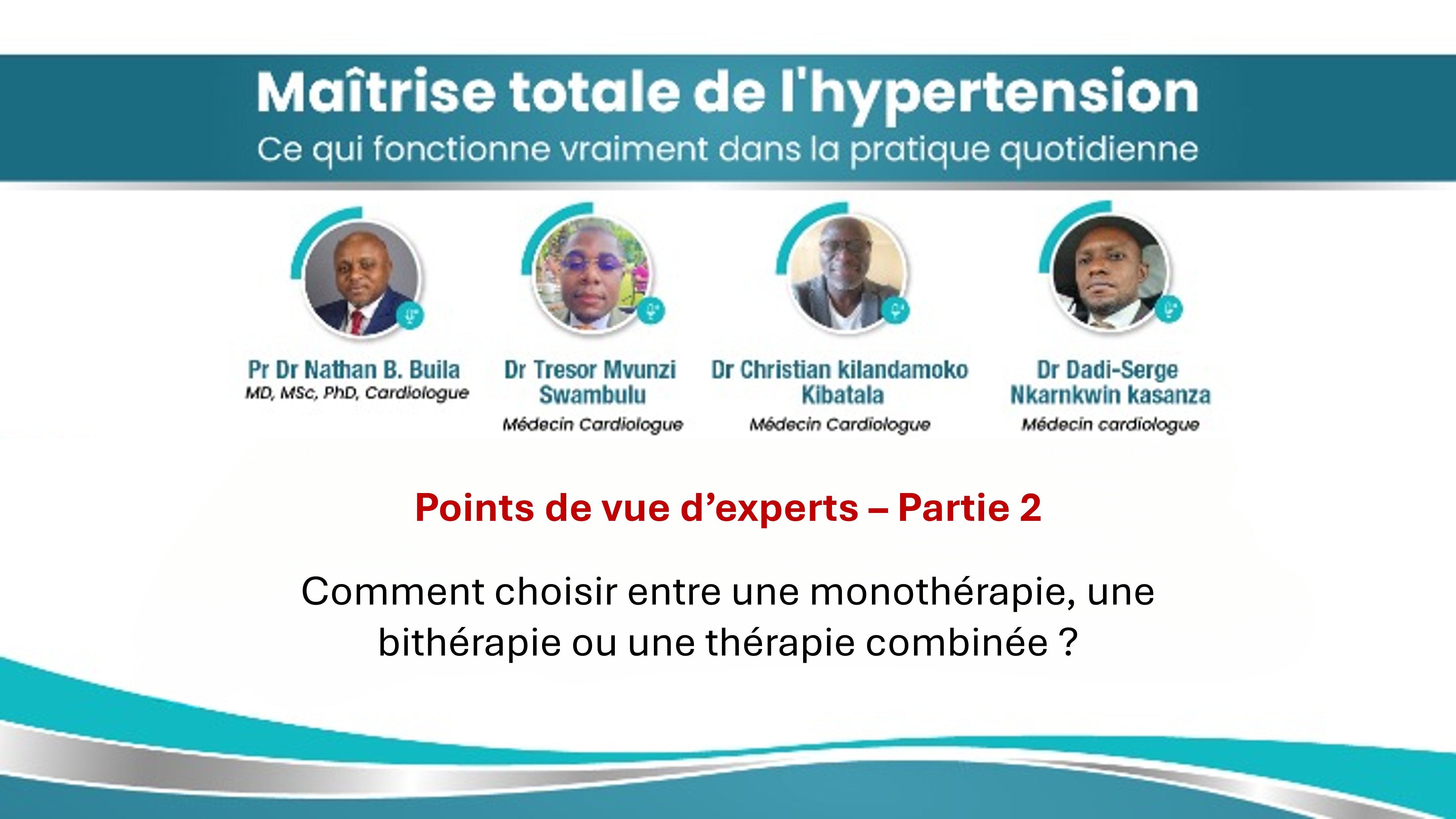
Points de vue d'experts : Comment choisir entre une monothérapie, une bithérapie ou une thérapie combinée ?

Select Content Type
Briefs
Authored By
Shalina MedSpace
Authored On
Interests
Cardiology
Dermatology
Emergency Medicine
Endocrinology
ENT
Gastroenterology
Hematology
Immunology Allergy & Inflammation
Infectious Disease & Vaccines
Internal/Family Medicine
Neurology
Obstetrics & Gynecology
Oncology
Ophthalmology
Orthopedic
Pain & Anesthesiology
Pediatric Medicine
Psychiatry
Pulmonology
Radiology
Rheumatology
Surgery
Urology & Nephrology
Speciality
Cardiology
Dentistry
Dermatology
Emergency Medicine
Endocrinology
ENT
Gastroenterology
Geriatrics
Hematology
Immunology Allergy & Inflammation
Infectious Disease & Vaccines
Internal/Family Medicine
Medical Genetics
Neurology
Obstetrics & Gynecology
Oncology
Ophthalmology
Orthopedic
Pain & Anesthesiology
Pathology
Pediatric Medicine
Pharmacology
Psychiatry
Public Health
Pulmonology
Radiology
Rheumatology
Surgery
Urology & Nephrology
Thumbnail Image
snippet_thmbnl
Detail Image
snippet_mob det
Book Detail
Actions
Download in App
Countries of release
Democratic Republic of the Congo (DRC)
India
UAE
IS_Ebsco
false
Description

Quelle stratégie est la mieux adaptée aux différents profils de patients et à leurs comorbidités ?

Le choix de la stratégie thérapeutique appropriée commence par une bonne compréhension du patient.

Découvrez les explications du Dr Trésor Mvunzi Swambulu (RDC) sur la manière dont les profils des patients et leurs comorbidités peuvent orienter le choix entre monothérapie, bithérapie et trithérapie. Il propose une approche pratique pour ajuster l'intensité du traitement aux besoins individuels de chaque patient, aidant ainsi les cliniciens à prendre des décisions thérapeutiques éclairées.
 

[In English]

Which strategy is best suited to different patient profiles and their comorbidities?

Choosing the right treatment strategy starts with understanding the patient. 

Watch Dr. Trésor Mvunzi Swambulu from DRC explain how patient profiles and comorbidities can guide the choice between monotherapy, dual therapy, and combination therapy. He offers a practical approach to matching treatment intensity with individual patient needs, helping clinicians make informed treatment decisions.

Published Date